Should You Buy Under-Construction Property in 2026?
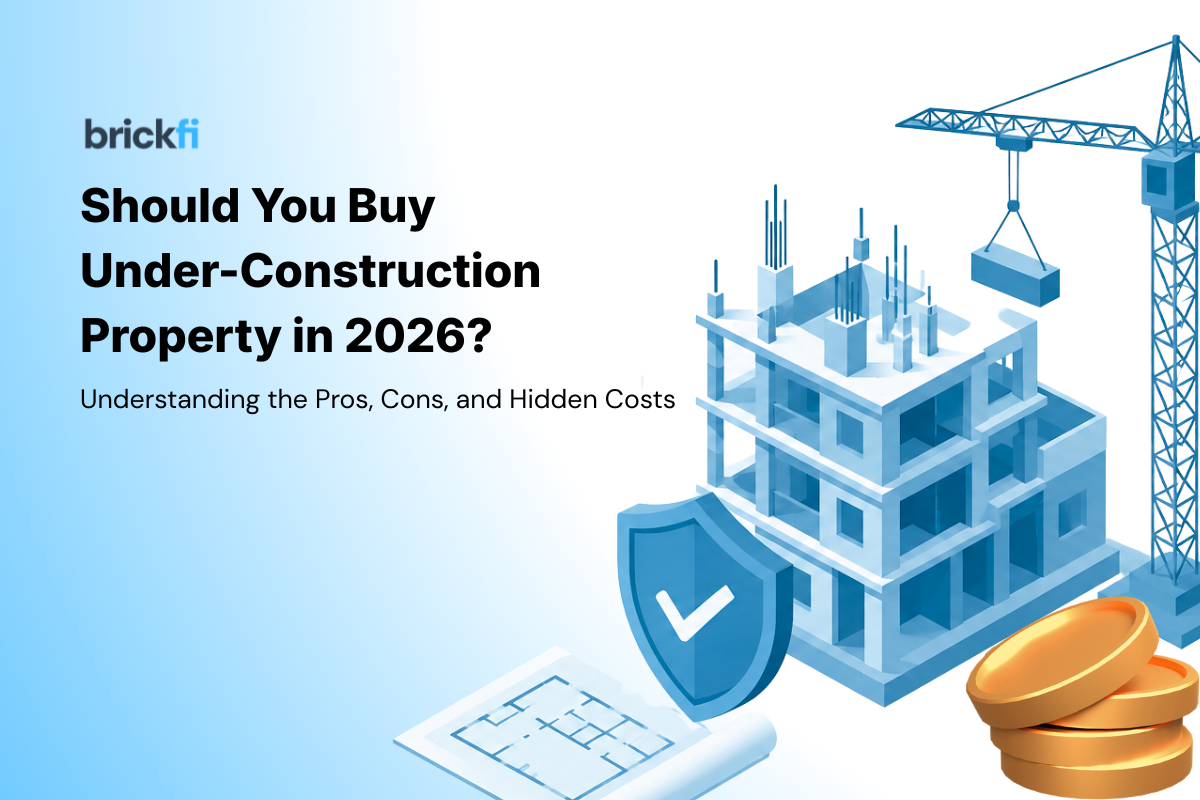
Overview: Under Construction Property India 2026
For years, under-construction properties have attracted buyers with one simple promise: buy early, pay less, and benefit from future appreciation. In many cases, that strategy has worked well. Buyers who entered growing markets at launch prices often saw significant gains by the time projects were completed.
However, the Indian real estate market in 2026 is very different from what it was a decade ago. Buyers today have access to more information, stronger regulations, and better project transparency through RERA. At the same time, they are also more aware of construction delays, stalled projects, and developer-related risks.
This has created a common question among homebuyers and investors alike: Is it safe to buy under-construction property in 2026? The answer is neither a simple yes nor a no. The right decision depends on the project, the builder, your financial goals, and your timeline. While under-construction projects continue to offer opportunities, buyers must evaluate them carefully before committing.
In this guide, we will explore the benefits, risks, and decision factors that matter most before buying an under-construction property in India in 2026.
Key Takeaways
- Under-construction properties often offer lower entry prices than ready-to-move homes.
- Buyers can benefit from future appreciation if the project is in a growing market.
- Construction delays remain one of the biggest risks.
- RERA has improved transparency but does not eliminate every risk.
- Builder credibility is more important than project status.
- Proper due diligence helps buyers make safer investment decisions.
- The best choice depends on your financial situation and time horizon.
Why Under-Construction Properties Still Attract Buyers in 2026
Despite growing awareness of risks, under-construction properties remain extremely popular across India. The biggest reason is affordability. Developers typically launch projects at lower prices during the initial phases of construction. As the project progresses, prices tend to increase gradually. Buyers entering early often benefit from lower acquisition costs compared to buyers purchasing completed units later.
Another advantage is inventory selection. Early buyers usually have access to better unit choices, preferred floor plans, and more desirable views. Flexible payment plans also make under-construction projects attractive. Many developers offer construction-linked payment schedules, reducing the immediate financial burden on buyers.
From an investment perspective, under-construction properties can create wealth if purchased in the right location. Infrastructure improvements, employment growth, and increasing housing demand can contribute to property appreciation before possession.
These factors continue to make under construction property India 2026 an attractive segment for both end-users and investors.
Get instant access to expert, data-driven property insights.
Request your free Brickfi investment report now and make smarter real estate decisions today.
Is Under Construction Property Safe in 2026?
This is one of the most searched questions among homebuyers. The reality is that under-construction property is significantly safer today than it was before the implementation of RERA.
The Real Estate Regulatory Authority has introduced several safeguards for buyers, including:
- Mandatory project registration
- Greater transparency in approvals
- Escrow requirements for project funds
- Disclosure of construction timelines
- Public access to project information
These measures have improved accountability across the industry. However, regulations alone cannot guarantee project success. A project may be RERA registered and still face delays due to factors such as construction challenges, funding issues, legal disputes, or market conditions.
This is why buyers should never treat RERA registration as the only verification step. The real question is not whether under-construction property is safe. The better question is whether the specific project you are evaluating is safe.
The Biggest Risks of Buying an Under-Construction Flat
Every property decision involves risk. Understanding those risks helps buyers make better decisions.
Possession Delays
This remains the most common concern. Even reputable developers can face delays due to approvals, labour shortages, material supply disruptions, or external market factors. A delay of even one year can significantly impact buyers who are simultaneously paying rent and home loan EMIs.
Changes During Construction
The final product may not always match the initial marketing material. Project specifications, amenities, landscaping plans, and layouts can evolve during construction. Buyers should carefully review contractual commitments before booking.
Builder Financial Health
A developer's financial stability plays a major role in project completion. Builders with weak balance sheets may struggle during economic slowdowns, affecting delivery schedules.
Market Conditions
Property values do not always rise as expected. A locality may experience increased supply, slower demand growth, or delayed infrastructure development, reducing appreciation potential.
Financing Risks
Interest rates, lending conditions, and personal financial situations can change during the construction period. Buyers should account for these uncertainties before committing.
Understanding the risks of buying under-construction flats helps create realistic expectations rather than emotional decisions.
Get instant access to expert, data-driven property insights.
Request your free Brickfi investment report now and make smarter real estate decisions today.
Ready-to-Move vs Under-Construction: Which One Should You Choose?
One of the most important decisions buyers face is choosing between a completed home and an under-construction project.
Ready-to-Move Property
Advantages:
- Immediate possession
- No construction risk
- Exact visibility of the final product
- Faster rental income generation
Challenges:
- Higher acquisition cost
- Limited inventory selection
- Lower appreciation potential in some cases
Under-Construction Property
Advantages:
- Lower entry pricing
- Flexible payment plans
- Potential capital appreciation
- Wider inventory options
Challenges:
- Waiting period
- Possession uncertainty
- Market-related risks
When comparing ready to move vs under construction, there is no universal winner. A family needing immediate occupancy may benefit from a ready-to-move property. An investor with a longer horizon may prefer an under-construction project in a high-growth location. The right choice depends on your goals, timeline, and risk tolerance.
Get instant access to expert, data-driven property insights.
Request your free Brickfi investment report now and make smarter real estate decisions today.
What Data Should You Verify Before Booking?
Many buyers rely heavily on brochures and sales presentations. Smart buyers verify data.
Builder Track Record
Review previous projects completed by the developer.
Look for:
- Delivery timelines
- Construction quality
- Occupancy levels
- Resident feedback
RERA Registration
Verify project details directly through the relevant state RERA portal.
Check:
- Registration status
- Completion timelines
- Project updates
Land Ownership and Approvals
Ensure the project has clear legal approvals and valid land ownership documentation.
Locality Demand
Study demand drivers such as:
- Employment hubs
- Infrastructure projects
- Transportation connectivity
- Population growth
Supply Pipeline
A location with excessive upcoming supply may experience slower appreciation despite strong marketing narratives. These checks should form the foundation of any property evaluation process.
Real Estate Trends India 2026: What Buyers Should Watch
Several trends are shaping property investment decisions in 2026.
Infrastructure-led growth continues to drive demand across emerging corridors. Metro expansions, expressways, airport connectivity projects, and industrial developments are influencing buyer preferences.
Technology is also changing how people evaluate properties. Buyers increasingly rely on data, analytics, and structured due diligence rather than purely broker recommendations.
Another major trend is the growing emphasis on developer credibility. Buyers are becoming more selective and willing to spend additional time researching builders before making commitments. These real estate trends India 2026 suggest that informed decision-making is becoming more important than ever.
Get instant access to expert, data-driven property insights.
Request your free Brickfi investment report now and make smarter real estate decisions today.
How BrickFi Helps Evaluate Under-Construction Projects
The challenge for most buyers is not finding information. The challenge is organizing it. Builder history, locality trends, pricing benchmarks, compliance indicators, and risk signals often exist across multiple platforms.
BrickFi simplifies this process by helping buyers evaluate projects through structured property intelligence.
Instead of relying solely on sales presentations, buyers can assess:
- Builder credibility
- Project risk factors
- Locality growth trends
- Comparative pricing insights
- Due diligence indicators
For anyone considering an under-construction property, this additional layer of verification helps reduce uncertainty and improve decision quality.
Conclusion
Under-construction properties continue to offer compelling opportunities in 2026.
They provide lower entry prices, better inventory selection, and the potential for appreciation in growing markets. However, those opportunities come with risks that buyers must understand and evaluate carefully. The smartest buyers are not those who avoid under-construction projects altogether. They are the ones who verify before they commit.
Builder credibility, project approvals, market demand, and locality fundamentals matter far more than marketing promises. And as real estate becomes increasingly data-driven, platforms like BrickFi help buyers move beyond assumptions and make more informed property decisions.
FAQs
1. Is it safe to buy under-construction property in India in 2026?
Many projects are safer today due to RERA regulations, but buyers should still evaluate builder credibility, approvals, and project fundamentals before investing.
2. What are the risks of buying an under-construction flat?
Common risks include possession delays, market fluctuations, financing challenges, and builder-related execution issues.
3. Is under-construction property cheaper than ready-to-move property?
In many cases, yes. Developers often launch projects at lower prices during the early stages of construction.
4. How do I verify a builder before booking?
Review completed projects, RERA records, delivery history, resident feedback, and the developer's overall reputation.
5. Which is better: ready-to-move or under-construction property?
The answer depends on your timeline, financial goals, and risk tolerance. Both options have distinct advantages and trade-offs.
Get instant access to expert, data-driven property insights.
Request your free Brickfi investment report now and make smarter real estate decisions today.